
Advancing Green Construction: TECON Partners with SGS to Tackle Formwork and Scaffolding Carbon Emissions
The production and supply chain of structural construction materials—specifically steel and aluminum—account for a substantial portion of global greenhouse gas emissions. Within this sector, managing formwork and scaffolding carbon emissions has become a critical priority for contractors aiming to lower the overall embodied carbon of modern infrastructure assets.
As the European Union’s Carbon Border Adjustment Mechanism (CBAM) and strict carbon declaration rules intensify, construction partners across Europe, Australia, and North America face growing hurdles in carbon accounting, customs clearance, and green tender participation.
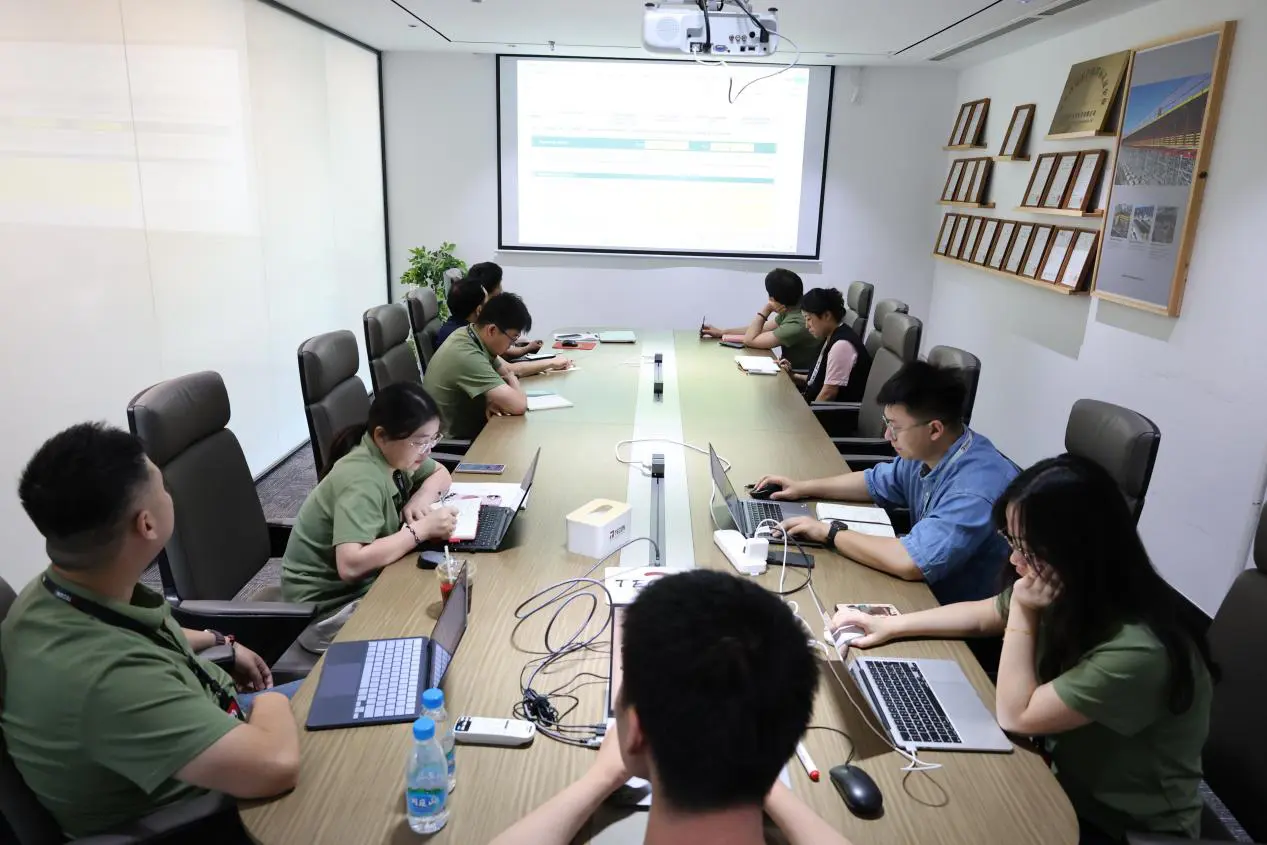
To proactively address these challenges and mitigate extra supply chain costs, TECON recently invited professional instructors from SGS to conduct a targeted CBAM compliance training session.

The SGS expert provided a meticulous breakdown of CBAM regulations, standard carbon data statistics, and standardized declaration procedures tailored specifically for structural steel and aluminum products.
Furthermore, the TECON engineering team engaged in in-depth strategic discussions regarding long-term, practical factory solutions, focusing on the application of clean energy and the continuous reduction of our production carbon footprint.

Continuous improvement in low-carbon asset management and transparent reporting remains a core value at TECON. With these upgraded CBAM compliance capabilities, TECON provides complete, highly accurate carbon footprint data for all global orders.
This ensures international clients smoothly pass strict customs inspections, effortlessly satisfy green procurement criteria, and win more low-carbon construction bids worldwide. TECON remains dedicated to optimizing its manufacturing formwork to deliver fully compliant, cost-effective, and low-carbon engineering solutions.