
Best Timber for Concrete Formwork
Concrete formwork plays a key role in shaping and supporting concrete until it gains enough strength. Among the many materials available, timber remains one of the most widely used choices thanks to its flexibility, availability, and ease of handling.
Selecting the right type of timber can improve construction efficiency, surface finish quality, and overall cost control.
Core Points
- Timber formwork is widely used for both small and large construction projects due to its adaptability
- The choice of wood affects durability, reusability, and concrete surface finish
- Softwoods are commonly preferred because they are easy to cut and shape
- Moisture resistance and strength are key factors when selecting timber
- Proper treatment and maintenance can significantly extend formwork lifespan
Why Timber Is Still Widely Used in Formwork
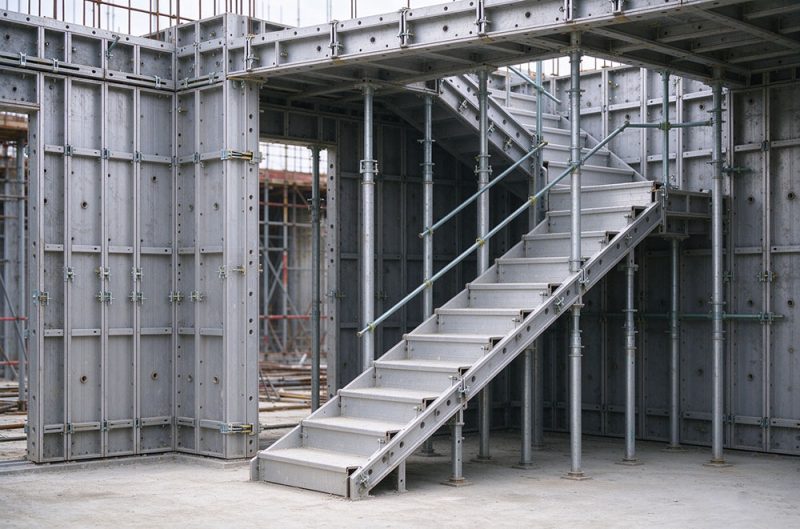
Even with the rise of engineered systems like steel and aluminum, timber continues to be a practical choice in many construction sites. One of the main reasons is its flexibility. Timber can be easily cut, adjusted, and assembled on-site, making it suitable for complex shapes and custom structures.
It is also cost-effective, especially for projects that do not require repeated reuse of formwork systems. In addition, timber is relatively lightweight compared to metal alternatives, which simplifies transportation and installation.
Another advantage is its compatibility with different construction conditions. Whether for residential buildings or smaller infrastructure works, timber formwork adapts well without requiring highly specialized tools.

Common Types of Timber Used for Formwork
Softwood
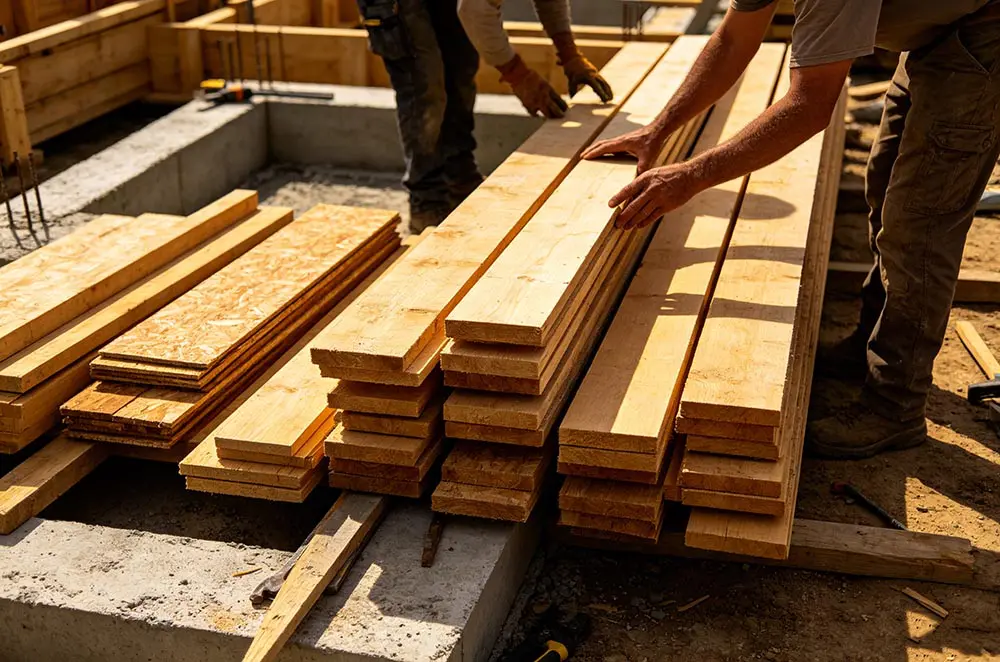
Softwood is the most commonly used material for concrete formwork. Species such as pine and fir are popular due to their workability and affordability. They are easy to cut and nail, which makes them suitable for fast-paced construction environments.
Softwood also provides a smooth enough surface for many standard concrete finishes. However, it may require treatment to improve resistance against moisture and repeated use.
Hardwood
Hardwood is stronger and more durable compared to softwood. It is often used in situations where higher load-bearing capacity or multiple reuse cycles are required. Examples include oak and beech.
While hardwood offers better durability, it is heavier and more expensive. It is usually selected for specialized projects rather than general formwork applications.
Engineered Wood Products
Engineered timber products, such as plywood, are widely used in modern formwork systems. Plywood panels are particularly popular because they provide a smooth finish and consistent strength.
Film-faced plywood is often chosen for concrete formwork because it resists moisture and allows multiple reuse cycles. It also helps achieve a cleaner concrete surface, reducing finishing work after stripping the formwork.
Key Factors When Choosing Timber for Formwork
Strength and Load Capacity
Formwork must support the weight of wet concrete, reinforcement bars, and construction loads. Timber should be strong enough to maintain shape without bending or warping during pouring and curing.
Moisture Resistance
Concrete contains a high amount of water, so timber is constantly exposed to moisture. Without proper resistance, wood can swell, weaken, or lose shape. Treated timber or coated plywood helps reduce these issues.
Surface Finish Quality
The condition of the timber directly affects the final appearance of the concrete. Smooth surfaces reduce imperfections and minimize the need for additional finishing work. Film-faced plywood is often preferred when a high-quality finish is required.
Reusability
Some projects require formwork to be reused multiple times. Hardwood and engineered boards usually perform better in repeated cycles, while basic softwood is more suitable for single or limited reuse applications.
Cost Efficiency
Budget considerations often influence timber selection. Softwood is generally the most economical option, while hardwood and engineered boards come at a higher initial cost but may provide better long-term value in repeated use scenarios.
How to Match Timber Type with Project Needs
Different construction projects require different formwork approaches.
| Project Scale | Recommended Materials | Description |
| Small residential projects | Softwood and basic plywood | Suitable for quick assembly and easy on-site adjustments. |
| Medium to large-scale developments | Film-faced plywood or engineered boards | Preferred for durability and consistent performance across multiple pours, helping maintain uniformity. |
| Heavy-duty or specialized structures | Hardwood or reinforced engineered systems | Used to handle higher loads and repeated construction cycles. |
Understanding the project scale, expected reuse frequency, and finish requirements helps in making a more suitable choice.
Maintenance and Handling Tips
Proper handling can significantly extend the lifespan of timber formwork. Keeping panels clean after each use prevents concrete buildup, which can damage the surface over time. Applying release agents before pouring concrete also helps reduce sticking and improves stripping efficiency.
Storing timber in a dry and ventilated area prevents warping and moisture damage. It is also useful to inspect panels regularly for cracks or deformation, replacing damaged sections when needed to maintain structural safety.
Common Mistakes to Avoid
- Using untreated timber in wet conditions often leads to swelling and reduced performance
- Overloading formwork beyond its designed capacity increases the risk of deformation
- Improper alignment during installation can affect the final concrete shape
- Accurate assembly and adequate support are essential to prevent these issues
Future Trends in Timber Formwork
While timber remains widely used, construction practices are gradually moving toward more sustainable and reusable systems. Hybrid formwork systems that combine timber with steel or aluminum components are becoming more common.
There is also growing interest in engineered wood products that offer better consistency, higher strength, and improved environmental performance. These developments are shaping a more efficient approach to temporary construction structures.
Conclusion
Choosing the right timber for concrete formwork depends on several factors including strength, moisture resistance, cost, and reuse requirements. Softwood, hardwood, and engineered wood each serve different construction needs, and selecting the right option helps improve both construction efficiency and final concrete quality.
A well-matched formwork material not only supports structural performance but also contributes to smoother project execution and reduced finishing work.
We keep construction simple and reliable with the right timber for every formwork need. Explore our solutions and build with confidence using materials designed for strength, precision, and ease on site. If you need support, feel free to reach out to us anytime.
FAQ
1. What is the best timber for concrete formwork?
Softwood such as pine is commonly used for general applications, while film-faced plywood is preferred when a smoother finish and higher reusability are needed.
2. Can hardwood be used for formwork?
Yes, hardwood can be used, especially for heavy-duty applications or repeated use. However, it is more expensive and heavier compared to softwood.
3. Why is plywood popular in formwork systems?
Plywood offers consistent strength, a smooth surface finish, and good resistance when treated or film-faced, making it suitable for modern construction needs.
4. How many times can timber formwork be reused?
It depends on the material and maintenance. Softwood may be used a few times, while engineered plywood and hardwood can be reused multiple cycles if properly maintained.
5. How do you extend the life of timber formwork?
Cleaning after use, applying release agents, proper storage, and regular inspection all help extend the lifespan of timber formwork.