

The Intelligence Shift: Redefining Formwork Dynamics and Structural Optimization in 2026’s Global Construction Sector
As the international construction landscape in 2026 grapples with a tightening labor market and the urgent need for sustainable practices, the integration of AI-driven Formwork Engineering has transitioned from a localized innovation to a global operational imperative.
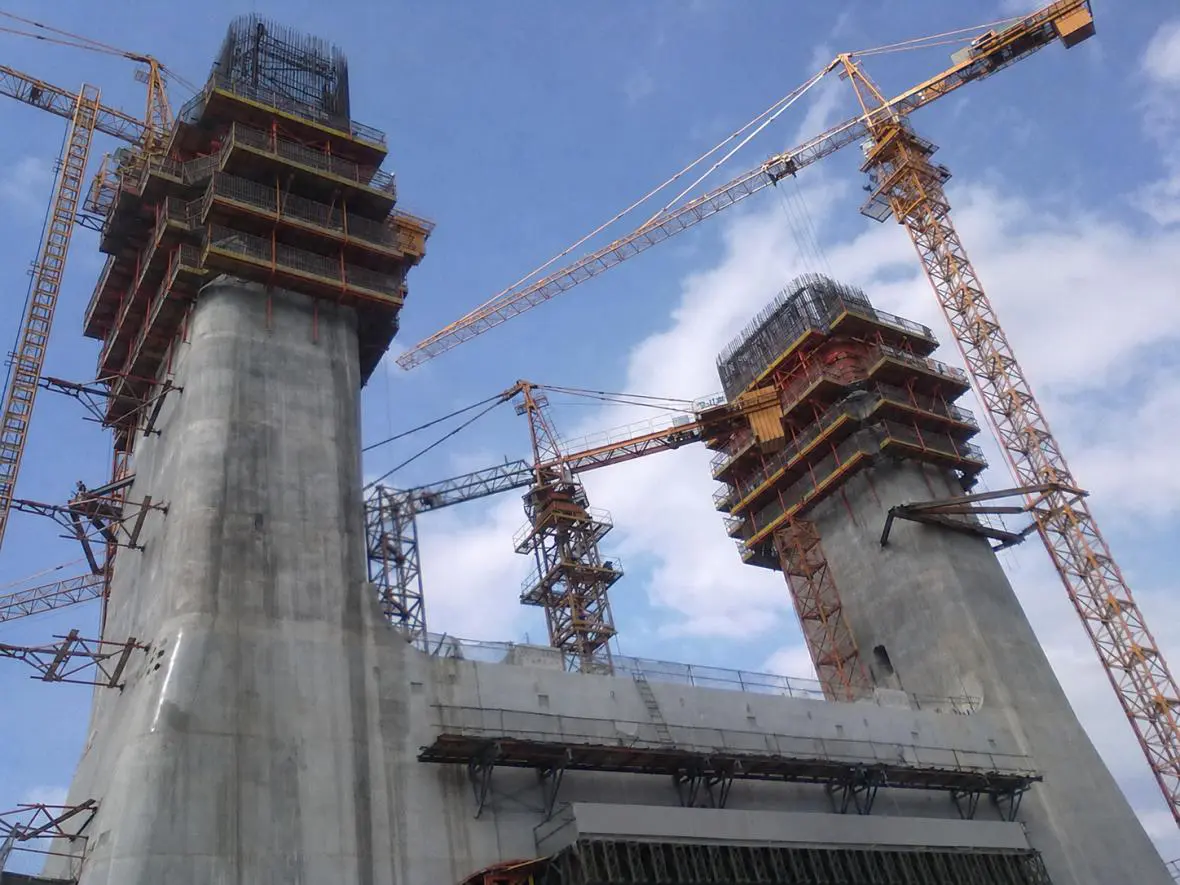
Predictive Ecosystems: Optimizing High-Rise Formwork and Shoring
The industry is moving away from passive hardware in favor of “Responsive Infrastructure.” Technical analysts suggest that by embedding AI into the core of Self-Climbing Formwork Systems, project leaders are now achieving unprecedented levels of safety and efficiency in high-rise construction.
AI algorithms actively monitor structural stability during the pour, preventing imbalances during hydraulic lifting operations. Furthermore, by determining the precise moment for formwork removal based on live concrete maturity metrics, contractors can achieve maximum Formwork Turnover Rates, accelerating project cycles by as much as 20%.

Generative Design and Asset Management for Modular Systems
The drive toward operational excellence is fueling the adoption of AI for material optimization. Advanced generative algorithms are now automating the Formwork Layout Design process, particularly for Aluminum Formwork Systems. By prioritizing standardized modular components and minimizing bespoke timber fillers, AI enables a 35% reduction in onsite material waste.
This optimization extends to Formwork Inventory Management, where AI tracks the wear and tear of Composite Formwork and Steel Formwork panels, predicting maintenance needs and extending the lifecycle of these critical assets.

Tackling Complex Geometries and Safety-Critical Components
AI is proving indispensable for executing complex, Parametric Architectural Concrete. Generative design tools can now decompose intricate double-curved geometries into fabricable formwork segments, optimized for digital fabrication methods like 3D printing.
The intelligence also extends to safety-critical hardware, such as Formwork Ties and Shoring Towers. AI analyzes stress distribution to optimize tie-rod spacing, ensuring that Formwork Support Systems maintain their integrity under lateral pressure, effectively eliminating the risk of catastrophic blowouts.

Global Industry Outlook
With the AI construction technology market projected to experience sustained growth through 2032, formwork optimization has emerged as a primary driver of operational efficiency. The focus for the remainder of 2026 centers on integrating these “digital site assistants” into daily workflows, leveraging data to bridge the productivity gap and ensure a safer, more sustainable built environment.