

Formwork Tie Rods for Concrete
Accessories
Safety
Reuse
Concrete formwork needs to remain stable while fresh concrete is poured and compacted. Formwork tie rods help connect opposing panels, maintain the required spacing, and resist the pressure generated by wet concrete.
Although a tie rod may look like a simple steel component, its size, thread, working load, and accessories can make a noticeable difference to the performance of a formwork system.
What Is a Formwork Tie Rod?
A formwork tie rod is a steel rod used to connect and restrain concrete formwork panels. It normally passes through the formwork assembly and works with nuts, washers, cones, or other accessories to hold the panels at a fixed distance.
When concrete is poured into a form, it creates lateral pressure against the panels. As the pour continues, this pressure can become substantial, particularly with tall walls, rapid placement, highly fluid concrete mixes, or intensive vibration. The tie system helps transfer these forces and keeps the formwork aligned.
A typical system may include the tie rod itself, wing nuts or hex nuts, washers, PVC sleeves, cones, water stops, and other compatible components. The exact combination depends on whether the tie is intended for temporary or permanent use and whether the concrete structure requires water resistance.
Common Types of Formwork Tie Rods
Different projects call for different tie rod designs. The following are among the most commonly used options.
Plain Formwork Tie Rods
Plain tie rods are straightforward threaded steel rods designed to connect formwork panels. They are often used together with heavy-duty nuts and washers.
Their relatively simple construction makes them suitable for general concrete wall and foundation work. Depending on the system, the rods can be cut or supplied in specific lengths to match project requirements.
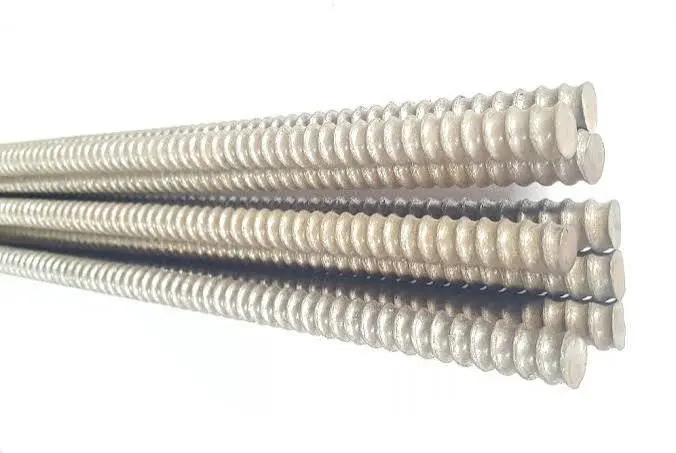
Coil Tie Rods
Coil tie rods feature a continuous or specialized thread that works with matching coil nuts and other accessories. They are commonly used in concrete formwork systems where fast assembly and reliable connection are required.
The matching hardware is important because the thread profile must work correctly with the selected coil nut and other components.
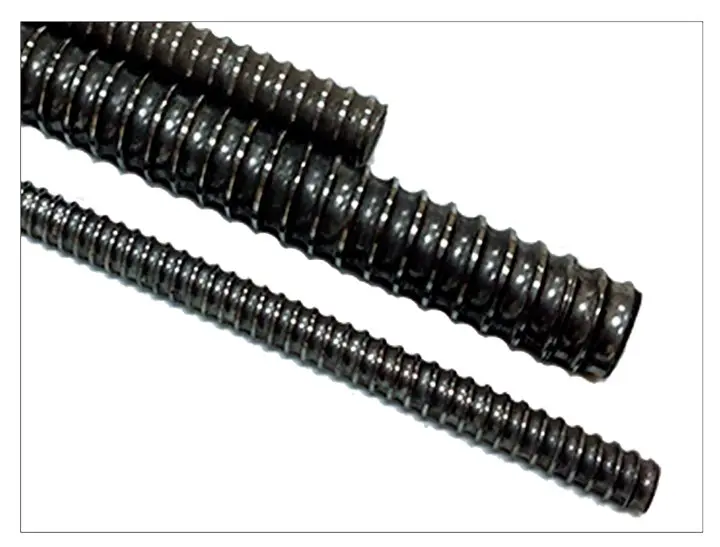
Water Stop Tie Rods
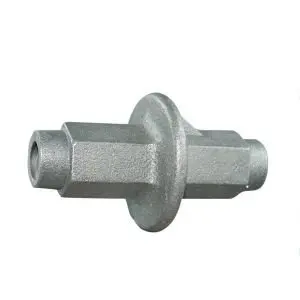
Water stop tie rods are designed for concrete structures where limiting water penetration through tie locations is necessary. A water stop element is incorporated into the rod, creating a barrier within the concrete.
They are frequently considered for basement walls, water tanks, swimming pools, retaining walls, foundations, and other structures exposed to groundwater or moisture.
The rod configuration may be customized according to wall thickness and waterproofing requirements. Proper installation is also important because the tie location needs to be sealed appropriately after the formwork is removed.
Snap Tie Systems
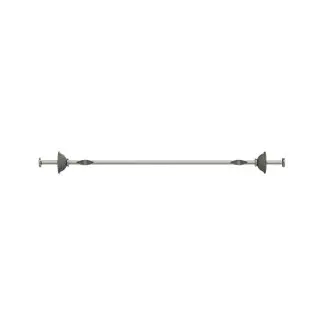
Snap ties are commonly used for wall forms and smaller concrete construction applications. They combine a tie element with hardware that allows formwork panels to be held together during the concrete pour.
Once the concrete has gained sufficient strength, the exposed portion can be removed or treated according to the specific system. Snap ties are particularly convenient when repetitive wall formwork is involved.
Formwork Tie Rod Sizes
Tie rod size is usually discussed in terms of rod diameter, thread configuration, and overall length. There is no single size suitable for every formwork application.
Common diameters may include approximately 12 mm, 15 mm, 16 mm, 17 mm, 20 mm, or other sizes depending on the manufacturer and formwork system. Metric and imperial thread specifications are also available for different markets.
Length is another important consideration. The tie needs to extend far enough through the formwork to accommodate the required nuts, washers, cones, or other accessories while maintaining the desired wall thickness.
For example, a thin internal wall and a thick basement wall will not necessarily require the same tie length. Ordering the correct length can reduce unnecessary cutting, simplify installation, and improve material efficiency.
How Much Load Can a Formwork Tie Rod Carry?
The load capacity of a formwork tie rod depends on more than its diameter.
Steel grade, thread geometry, effective cross-sectional area, manufacturing quality, nut configuration, and the way the tie is installed can all influence its performance. The surrounding formwork system also matters.
Concrete pressure is affected by factors such as:
Concrete placement speed
Concrete temperature
Slump and mix fluidity
Wall height
Concrete density
Vibration during placement
Formwork dimensions
For this reason, a tie rod should not be selected based only on a nominal diameter. Manufacturers may provide working load, safe working load, or ultimate tensile capacity for their products, but these values should be interpreted according to the applicable design conditions.
It is also worth remembering that the tie rod is only one part of the system. If the nuts, washers, walers, panels, or other connections are undersized, increasing the rod capacity alone will not solve the problem.
How Formwork Tie Rods Work
During formwork assembly, opposing panels are positioned on either side of the future concrete wall. Tie rods pass between or through the panels and are secured with the appropriate hardware.
Once tightened, the tie system helps maintain the distance between the panels. When concrete is placed, the pressure is transferred through the formwork components toward the tie rods and their supporting hardware.
A well-designed arrangement distributes the forces across multiple tie points instead of allowing excessive pressure to concentrate in one area.
Tie spacing therefore matters as much as individual tie strength. Taller walls or higher concrete pressure may require closer tie spacing, stronger components, or a combination of both.
Where Are Formwork Tie Rods Used?
Formwork tie rods can be found across many types of concrete construction.
| Application | Formwork & Tie Rod Requirements | Key Considerations |
| Foundations and Basement Walls | Foundation walls often require strong formwork due to their thickness and significant concrete pressure. Water stop tie rods may also be used where below-grade waterproofing is required. | Focus on formwork strength, stability, and waterproofing performance. |
| Retaining Walls | Retaining wall construction often involves substantial wall sections and carefully controlled formwork. Tie rods help maintain panel alignment during concrete placement. | Proper alignment and secure panel connections are important for maintaining wall geometry. |
| Columns and Structural Walls | Tie systems can be incorporated into column and wall formwork to keep panels securely connected during concrete placement. | Ensure the tie system provides adequate connection and stability throughout the pour. |
| Water-Related Structures | Water tanks, swimming pools, treatment facilities, and similar structures may require tie systems designed with waterproofing in mind. | Water stop rods can help reduce potential leakage paths at tie locations. |
How to Choose the Right Formwork Tie Rod
A practical selection process starts with the project rather than the product name.
First, determine the wall thickness and formwork configuration. Then consider the expected concrete pressure, pour rate, concrete mix, and tie spacing.
Next, select a suitable rod diameter and length based on the required working load and system design. Make sure the nuts, washers, cones, and other accessories are compatible with the rod.
For projects exposed to groundwater or persistent moisture, a water stop solution may be more suitable than a standard tie rod.
Finally, check the manufacturer’s technical information for dimensions, material specifications, thread details, load data, and recommended installation methods. For large or complex structures, tie spacing and formwork design should be reviewed by a qualified engineer.
Conclusion
Formwork tie rods may be small components, but they play an important role in keeping concrete formwork stable and properly aligned during construction. Choosing the right type, size, load capacity, and accessories can make installation smoother and help the formwork system perform reliably.
For general construction, plain or coil tie systems may be suitable, while water stop tie rods offer an option for projects where waterproofing is a major consideration. The best choice ultimately depends on the concrete pressure, formwork design, project environment, and installation requirements.
We make formwork tie rod solutions simple, strong, and ready for your next concrete project.
Frequently Asked Questions
A formwork tie rod connects and restrains opposing formwork panels, helping them maintain the required spacing and resist the lateral pressure created by fresh concrete.
A standard tie rod is primarily designed for formwork restraint. A water stop tie rod incorporates a water-blocking element intended to reduce water penetration through the tie location after the concrete has hardened.
The required length depends on wall thickness, formwork dimensions, tie configuration, and the nuts, washers, cones, or other accessories being used. It is best to select the length according to the complete formwork system rather than the wall thickness alone.
Not necessarily. Diameter is an important factor, but steel grade, thread design, effective cross-sectional area, connection hardware, and installation conditions also affect load capacity.
Some formwork tie systems are designed for reuse, while others are intended to remain embedded or be removed after the concrete has cured. Reuse depends on the specific product design and its condition after previous use.
They are commonly used in basement walls, foundations, swimming pools, water tanks, retaining structures, and other concrete structures where controlling water penetration at tie locations is important.
Looking for reliable formwork systems? Request a quote or contact TECON.