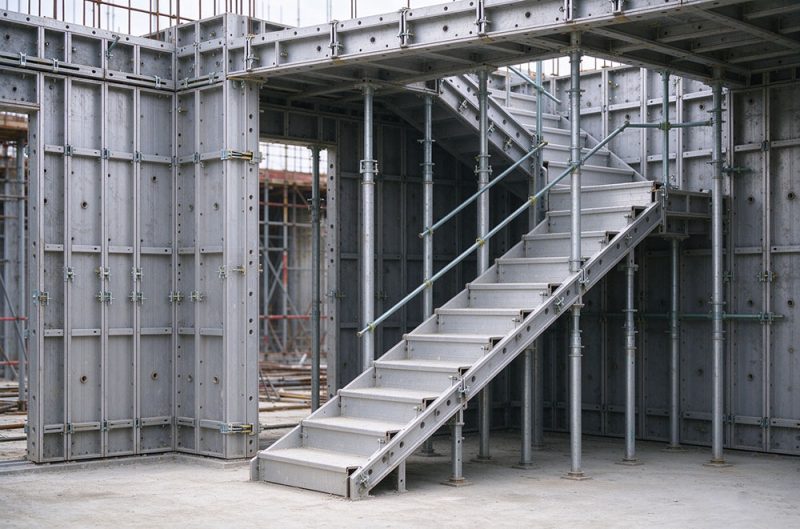

Formwork Standards Across Countries
Formwork is one of the core temporary systems in concrete construction, shaping fresh concrete into the required geometry while supporting it until it gains sufficient strength.
Across different regions, standards for formwork vary due to differences in structural design philosophy, safety regulations, and construction practices. Understanding these variations helps engineers and contractors align projects with local compliance requirements and improve construction outcomes.
Key Takeaways
- Formwork systems are regulated through national and regional standards that define safety, design, and performance requirements
- Australia, the USA, the UK, and Europe each follow distinct engineering and compliance frameworks
- Design approaches range from prescriptive safety rules to performance-based structural codes
- Modern trends focus on engineered systems, digital modeling, and improved prediction of fresh concrete pressure
- International guidelines are increasingly converging toward standardized structural reliability principles
Understanding Formwork in Concrete Construction
Formwork refers to temporary or permanent molds used to hold wet concrete until it hardens into the required shape. It supports vertical and lateral loads generated by fresh concrete, construction activities, and environmental forces.
Common systems include timber, steel, aluminum, plastic, and modular engineered formwork. According to general engineering references and construction literature, modern systems are designed not only for shape control but also for load management, safety assurance, and reusability.
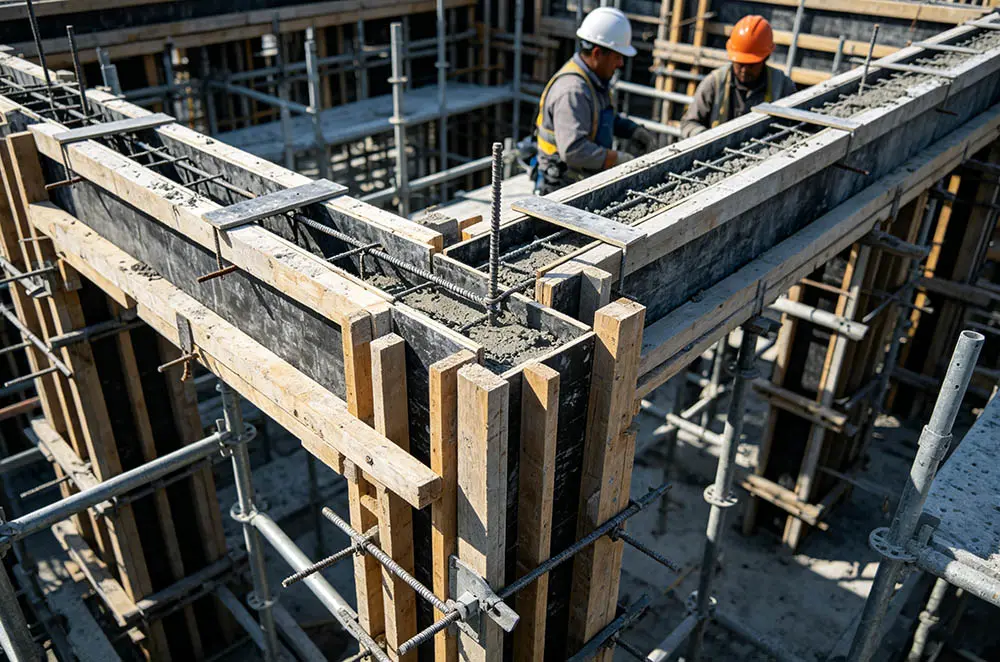
Research on concrete behavior shows that lateral pressure exerted by fresh concrete is not constant. It changes with pouring rate, temperature, and concrete composition, which makes accurate formwork design a technical requirement rather than a simple structural task.
Core Requirements of Formwork Systems
Across all regions, formwork systems are expected to meet several shared requirements:
- Adequate strength to resist fresh concrete pressure and construction loads
- Dimensional accuracy to ensure structural alignment
- Stability during pouring, vibration, and curing stages
- Safe dismantling procedures without damaging hardened concrete
- Efficiency in reuse, especially in large-scale projects
Studies published in construction engineering journals highlight that failures in formwork are often linked to inadequate bracing, incorrect load assumptions, or insufficient consideration of lateral pressure behavior.
Formwork Standards in Australia
Australia applies a highly structured approach to formwork design and execution. The main standards include AS 3610.1 and AS 3610.2, which define requirements for formwork materials, design, construction, and surface quality.
Australian practice treats formwork as a fully engineered temporary structure. Design documentation is typically required before construction begins, and verification processes are commonly implemented on site.
Key aspects include:
- Strict control of dimensional tolerances and surface finishes
- Detailed engineering design for load-bearing systems
- Compliance with workplace health and safety regulations
- Integration with AS 3600 for concrete structures
The system emphasizes predictable performance and clear accountability, particularly for large infrastructure and high-rise projects.
Formwork Standards in the United States
In the United States, formwork regulation combines safety legislation and engineering guidance. OSHA regulations govern construction safety requirements, while ACI 347 provides widely used engineering recommendations for formwork design.
The American approach focuses strongly on structural safety under construction loads. Contractors are required to ensure that formwork systems can resist all anticipated vertical and lateral pressures.
Common requirements include:
- Site-specific formwork design drawings
- Mandatory inspection before and during concrete placement
- Controlled removal timing based on concrete strength development
- Emphasis on bracing and load path continuity
The system relies on a combination of legal enforcement and engineering best practices rather than a single prescriptive design code.
Formwork Standards in the United Kingdom
The UK framework is built around BS 5975 and BS EN 12812, supported by the Construction Design and Management (CDM) Regulations.
A distinctive feature of the UK system is its structured temporary works procedure. Responsibility is clearly distributed among designers, contractors, and temporary works coordinators.
Key features include:
- Formal appointment of a Temporary Works Coordinator
- Categorized design checking systems
- Documentation-based approval processes
- Strong emphasis on planning and risk management
Instead of focusing only on structural design, the UK system prioritizes procedural control and accountability throughout the construction process.
Formwork Standards in Europe
European formwork standards are primarily based on Eurocode principles and EN 12812 for falsework systems. These standards apply a limit state design philosophy, which evaluates both ultimate and serviceability conditions.
The European approach ensures consistency across member countries while allowing national annexes for local conditions.
Key elements include:
- Load combinations including concrete pressure, wind, and construction activities
- Structural reliability based on probabilistic design principles
- Unified design methodology across different countries
- Emphasis on engineering consistency and harmonization
Research literature suggests that European standards are particularly strong in aligning temporary works design with permanent structural safety concepts.
Formwork Standards in Other Regions
Canada
Canada follows CSA S269 standards, which regulate formwork and falsework design. The system combines structural design requirements with safety provisions, similar to the US but more standardized in documentation.
Vietnam and Emerging Markets
In Vietnam and other developing construction markets, formwork standards are increasingly influenced by European codes. Local regulations are evolving toward engineered systems, particularly in large infrastructure projects. The adoption of modular systems and international contractors has accelerated this transition.
Global Trends in Formwork Engineering
Recent developments in formwork systems show a shift toward higher efficiency and improved predictability. Several key trends are shaping modern construction practices:
| Development Area | Description |
| Engineered Modular Systems | Reusable aluminum and steel modular systems are replacing traditional timber in many large-scale projects, improving consistency and reducing on-site variability. |
| Digital Construction and BIM Integration | Building Information Modeling is increasingly used to design and simulate formwork systems, enabling early clash detection and optimized material usage. |
| Improved Concrete Pressure Prediction | Research shows that lateral pressure depends on pouring rate, temperature, and mixture properties, and modern models improve prediction accuracy for safer design. |
| Sustainability and Reuse | Construction companies are focusing on reusable systems to reduce waste and improve lifecycle efficiency. |
Comparing International Formwork Approaches
While all regions aim to ensure safe and stable concrete construction, their methods differ:
| Country / Region | Regulatory & Engineering Approach |
| Australia | Emphasizes engineered documentation and compliance |
| United States | Combines safety regulations with engineering guidance |
| United Kingdom | Focuses on procedural control and responsibility |
| Europe | Applies unified structural design principles |
| Canada | Balances safety and structural engineering requirements |
| Emerging Markets | Gradually adopting international standards |
These differences reflect variations in legal systems, construction culture, and engineering development levels.
Conclusion
Formwork standards across countries continue to evolve as construction technologies advance. Despite differences in regulatory frameworks, the underlying goal remains consistent: ensuring that temporary structures can safely support fresh concrete until it becomes self-sustaining.
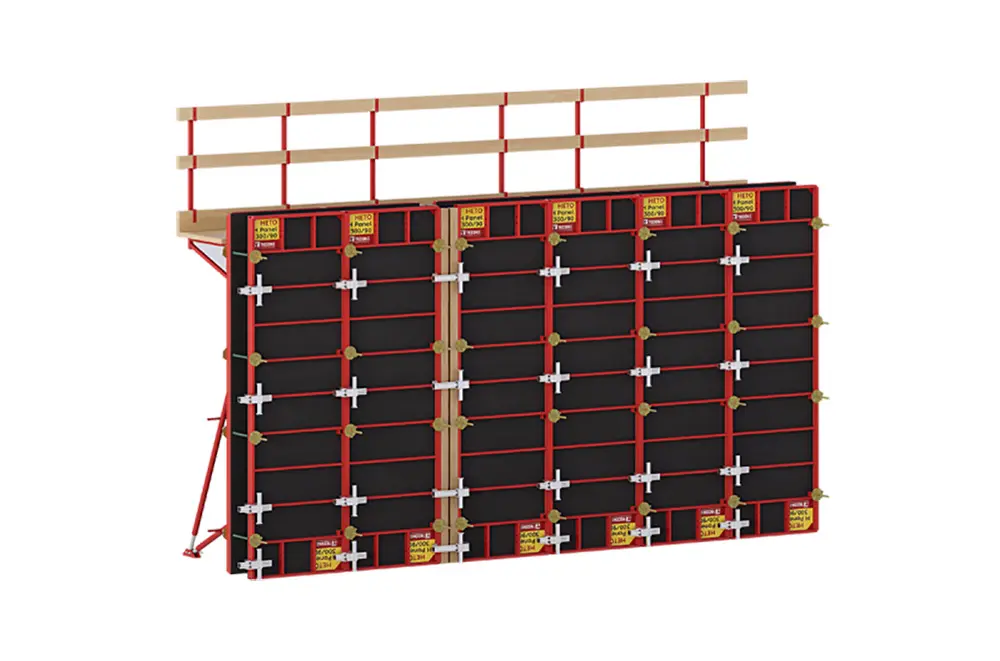
Explore how we approach modern formwork standards across Australia, the USA, the UK, and Europe. We keep construction clear, efficient, and reliable, and we are here whenever you need support or more information.
FAQ
1. What is the main purpose of formwork in construction?
Formwork provides temporary support and shaping for fresh concrete until it hardens and gains sufficient strength to stand independently.
2. Why do formwork standards differ between countries?
Differences arise from variations in legal systems, engineering traditions, safety regulations, and construction practices.
3. Which country has the strictest formwork regulations?
Australia and the United Kingdom are often considered highly structured due to their detailed design and procedural requirements.
4. What is the role of ACI 347 in the United States?
ACI 347 serves as a widely recognized guide for formwork design and construction practices, particularly for load considerations and safety planning.
5. How is modern formwork technology changing construction?
Modern systems are becoming more modular, reusable, and digitally integrated, improving efficiency and reducing construction risks.